Scaling Modern SEO Systems for 2026
PR and made media create the third-party citations that control AI actions and can not be duplicated by owned content alone. Social media on platforms like LinkedIn, Reddit, and YouTube produces additional indexed content that LLMs draw from when producing answers. Technical optimization through schema markup, FAQPage structured data, and files ensures AI spiders can access and parse your material properly.
The SEO advantage of the abundant bit might be gone; the GEO advantage of the structured signal is not. The companies that will build the strongest AI exposure in 2026 and beyond are those that operate these functions in an integrated method. As Firebrand calls it, this collaborated approach produces a more powerful, more consistent signal across the web, making it easier for LLMs to determine your brand name as an authority.
It is a discipline used across every content and communications function. Use clear headings, accurate subheads, and structured summaries that let AI engines extract clean, citable pieces.
The supply chain for AI exposure is editorial protection. Prioritize consistent, high-authority positionings in publications that AI engines already trust, tier-one outlets, trade publications, and niche reliable websites in your category.
Make data generation part of your PR calendar, not just your content calendar. Substantive, expert-level content on these platforms, not promotional material, develops extra discovery surface areas that AI engines index and referral.
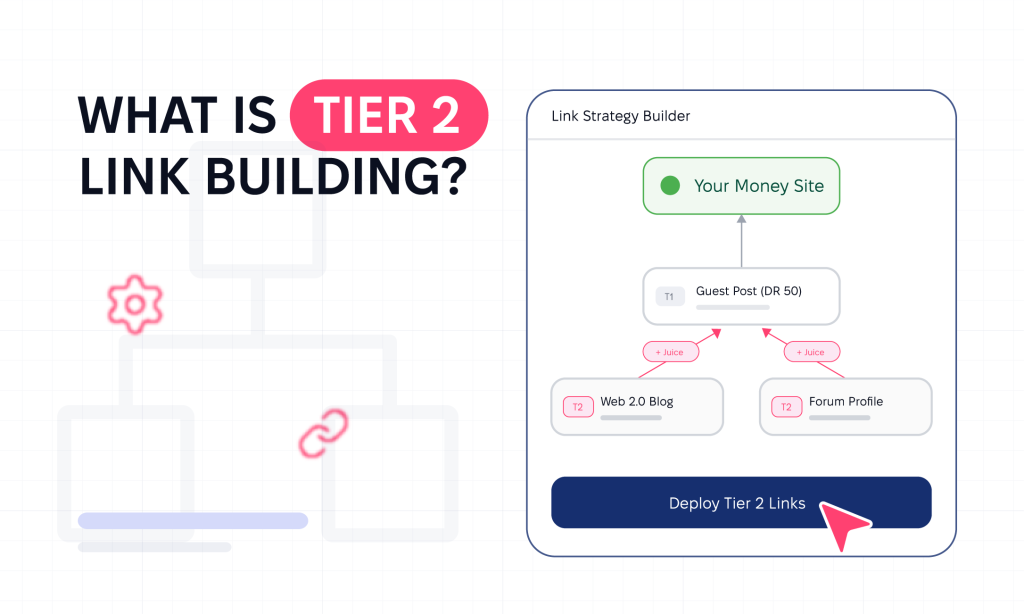
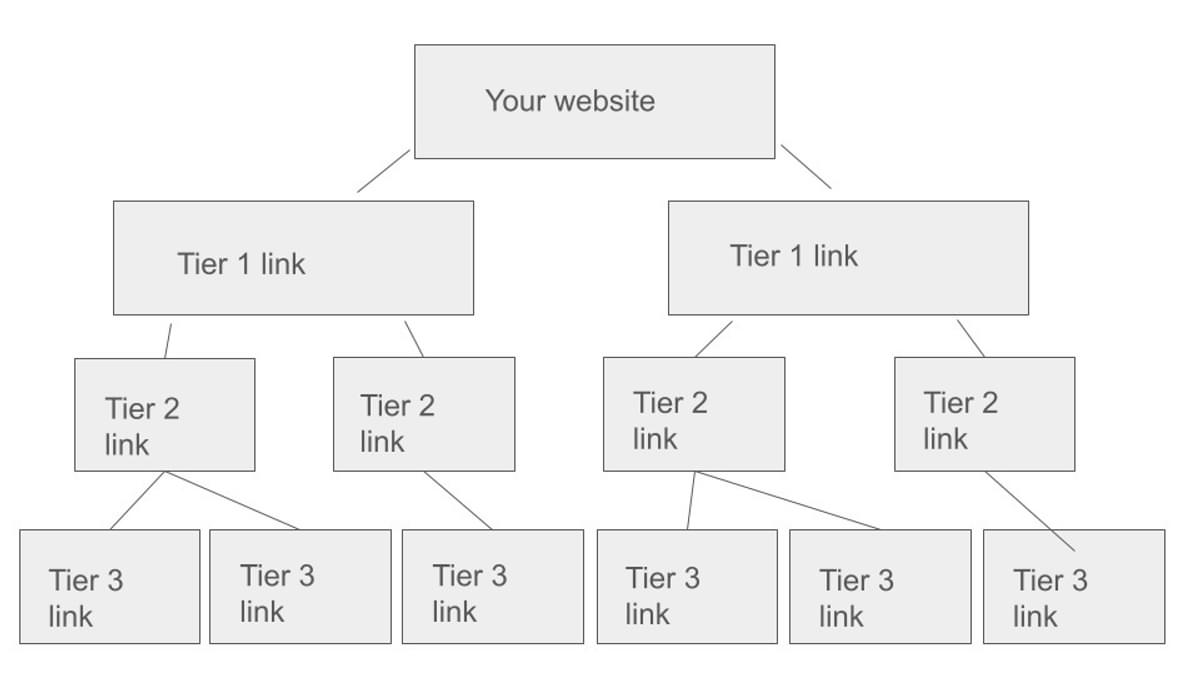
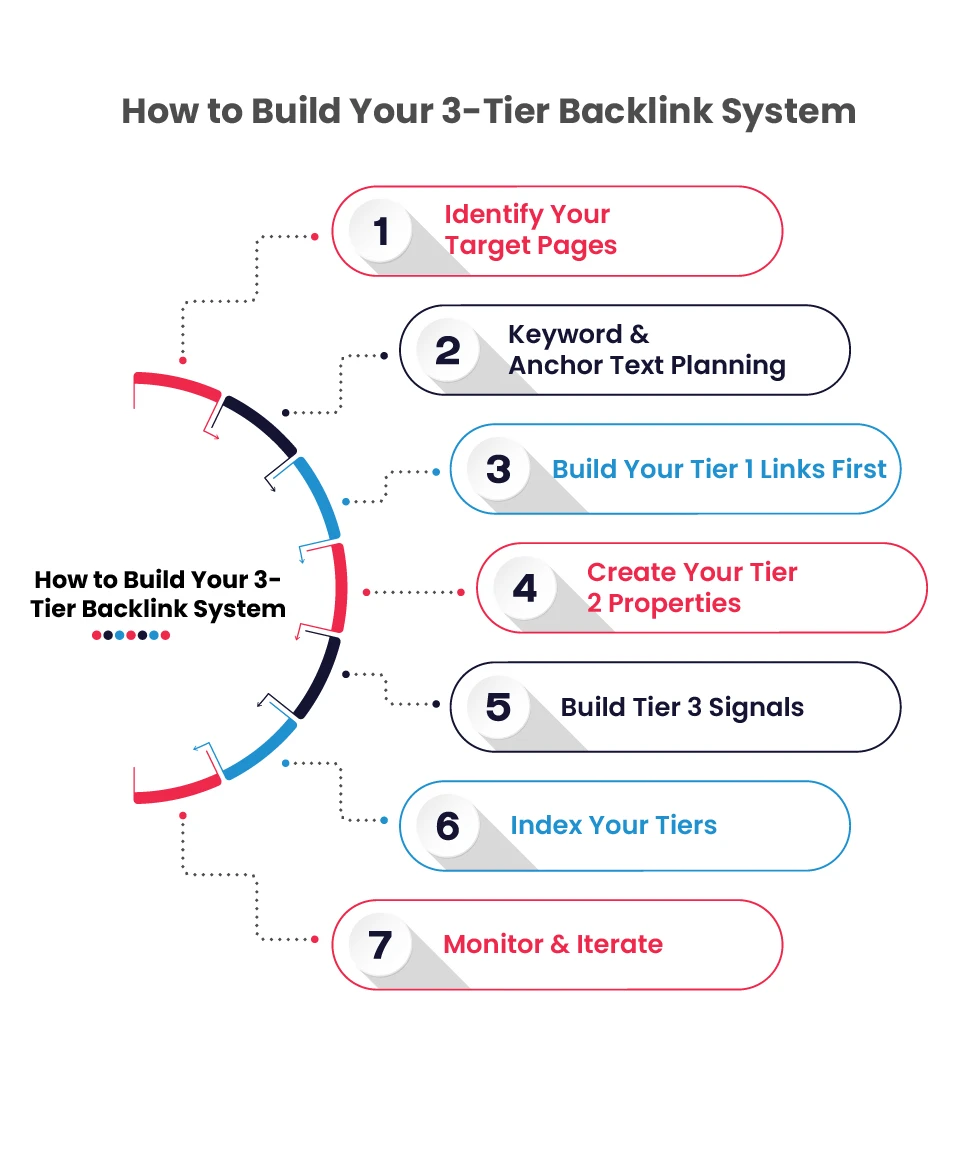
Sophisticated Techniques for Tiered Link Building
AI systems require to dependably associate your trademark name, products, leadership, and crucial messages throughout every platform they index. Your brand name description ought to correspond across your site, LinkedIn, Crunchbase, Wikipedia or Wikidata, and any structured information sources that AI engines reference during training and real-time retrieval. Inconsistency creates noise that decreases citation frequency and precision.
A guide published in 2024 with no updates will lose ground to a 2026 short article on the very same subject. This signals freshness to both AI systems and human readers.
Marketers who have spent years refining Google Analytics control panels typically have no equivalent visibility into AI search performance. Traditional SEO metrics and AI presence metrics require to coexist in your reporting framework. The brand-new metrics to track along with traditional SEO KPIs include:, how typically your brand name appears in AI-generated responses across major engines., your points out versus rivals throughout ChatGPT, Perplexity, Gemini, and Google AI Mode., whether AI is representing your brand correctly and positively., visitors getting here from AI engines tracked through GA4.Visitors from LLMs convert 4.4 times much better than standard search traffic.
Brian Olson, brand name PR lead at Hormel Foods, put it straight in PR Daily: "By the end of 2026, appearing in LLM reactions will stand shoulder-to-shoulder with impressions, which continue to lose importance as a primary KPI". There is an intensifying dynamic in GEO that mirrors what SEO professionals experienced in the early 2010s.
Content older than 6 years represent only 6 percent of AI citations, which means the citation library being built today will define AI presence for the next several years. For PR teams, this is the clearest possible signal. The earned media placements you protect this quarter are not simply impressions for this quarter's report.
GSA SER project filesCritical Steps for Executing Robust SEO Networks
Every disregarded GEO opportunity is a space rivals will fill. Brand names that develop this discipline into their marketing stack now will earn compounding advantages as AI becomes the primary way consumers discover, assess, and decide.
It is an advancement. The fundamentals of authoritative content, reliable sourcing, and technical discoverability still apply. What has actually changed is the destination: from a ranked list of links to the within an AI-generated response. For PR professionals, this shift is a substantial elevation of the discipline. The ability to make reliable, structured, third-party protection at a continual cadence is now the single most powerful lever for AI exposure.

The brands that do this in 2026 will not simply be visible in search. They will be the answer. Looking to develop a PR strategy that drives presence in both standard search and generative AI?