2026 Backlink Trends: Ranking Higher With Tiers
Tier 3 backlinks are of lower quality and authority than Tier 1 and Tier 2 links. They assist diversify a website's backlink profile and build link equity. Think about aspects like the domain authority of the website with the Tier 3 link, the material importance around the link, and whether the link is follow or no-follow.
This approach lines up with Google's guidelines and assists avoid penalties from updates like Penguin and Panda. Stabilizing Tier 1, Tier 2, and Tier 3 links is crucial for improving a site's domain rating, page rank, and ultimately its search engine result page (SERP) rankings. Tier 3 backlinks play an important function in link structure strategies by adding to the general SEO efforts of a site.
By integrating tier 3 backlinks, a website can improve its organic rankings and establish authority within its specific niche industry. These links incrementally pass on link equity, which ultimately drives outcomes in SEO. While tier 1 and tier 2 backlinks are normally prioritized due to their greater quality, tier 3 backlinks are important for a well-rounded link-building strategy.
It is very important to stay upgraded on algorithm updates from search engines like Google to guarantee that backlink methods abide by present standards and avoid penalties such as those imposed by Penguin and Panda. Tier 3 backlinks are not as high quality as tier 1 and tier 2 backlinks, however they still matter for SEO and link building.
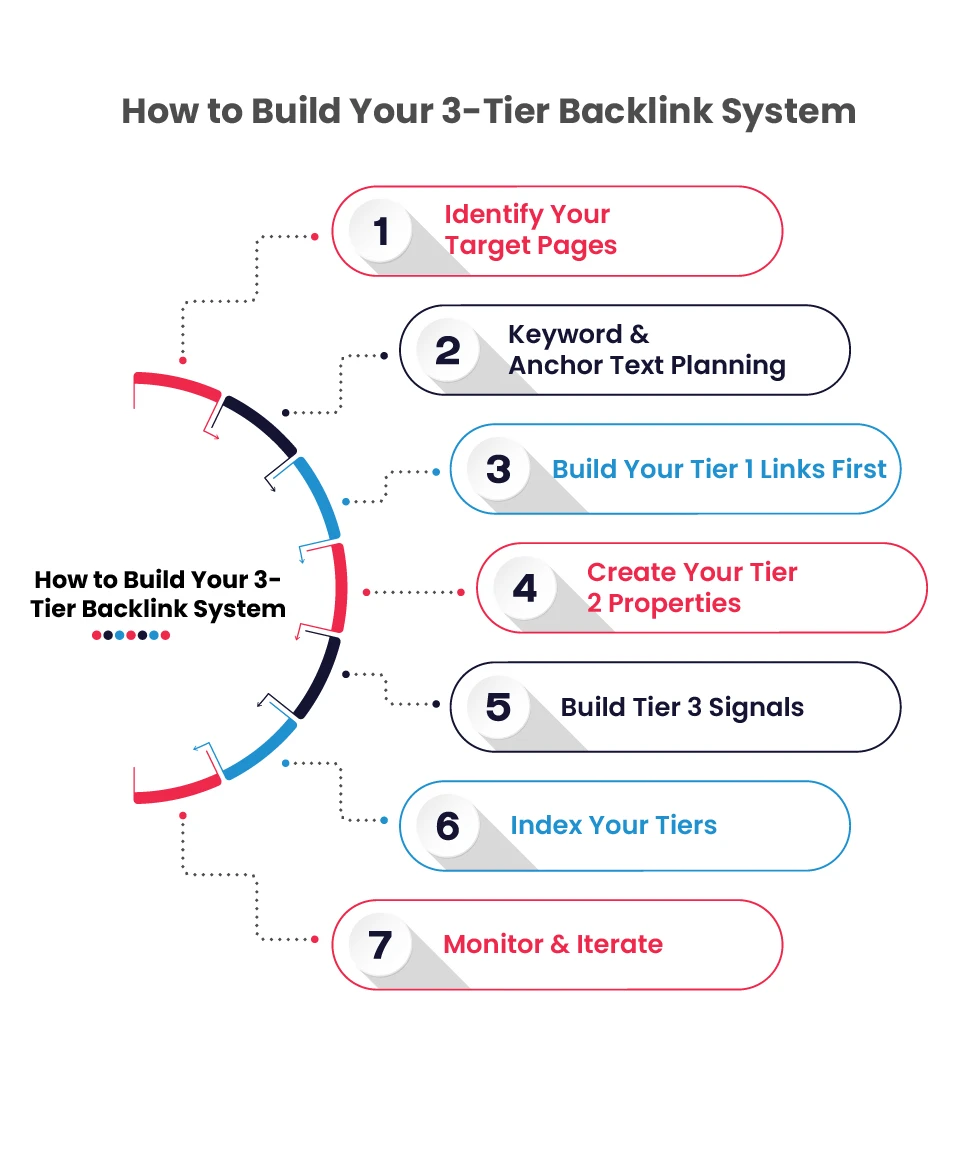
Structuring An Automated SEO Project for Success
Blending tier 3 backlinks, such as no-follow links from specific forums or blogs, with higher-tier links assists create a more natural link profile that Google prefers. By keeping track of and evaluating the performance of these third-tier links using tools like Google Analytics, site owners can see which methods work best and which ones may be hurting their SEO efforts.
Tier 1 is the greatest quality, while Tier 3 is lower quality. Tier 3 backlinks are not as powerful as Tier 1 or Tier 2, they still play a function.
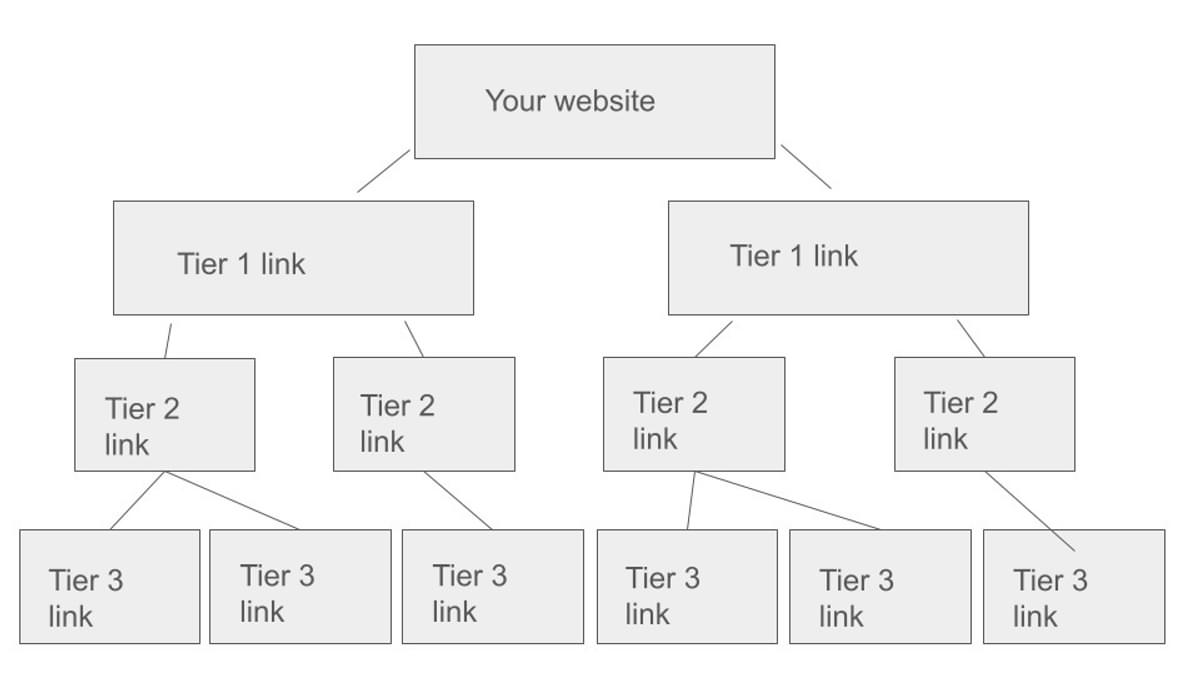
This practice improves the site's authority and domain authority, enhancing its search engine ranking. While Tier 3 backlinks are helpful, they should be utilized alongside higher quality ones to avoid charges. Remaining upgraded on algorithm changes and following Google's guidelines are necessary for an effective link-building strategy. Tiered link structure involves producing a network of backlinks that point to the primary site.
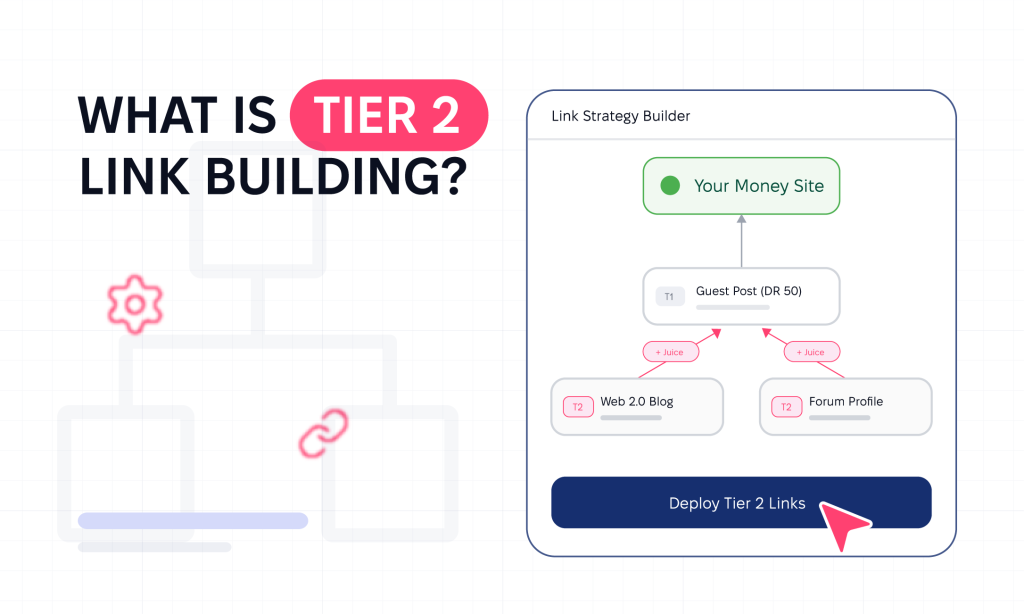
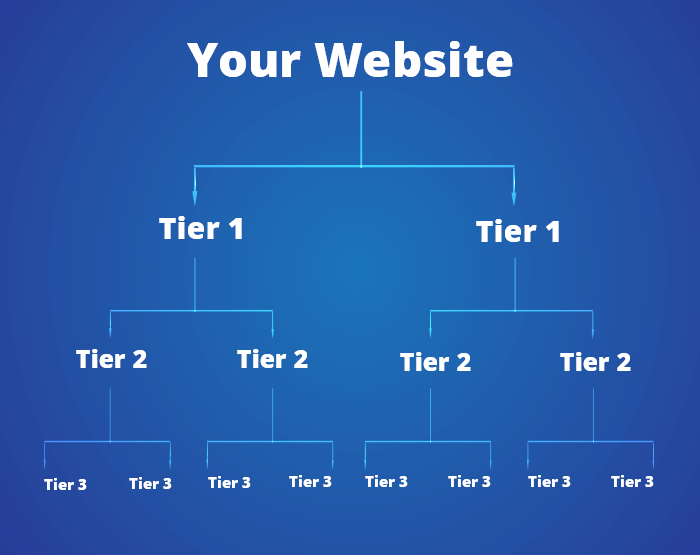
Tier 1 backlinks originated from high-authority websites, offering the main link equity. Tier 2 backlinks build upon tier 1 by linking to those links. Tier 3 backlinks assistance tier 2, contributing to a well-rounded backlink profile. A mix of first-tier, second-tier, and third-tier links assist develop a varied link profile.

Tier 3 backlinks may bring less weight individually, collectively they help websites rank higher. When it comes to connect building and SEO methods, tiered link building is common.
Ensuring Authority in Automated Link Hierarchies
Unfavorable impacts of tier 3 backlinks consist of charges from Google, reduced domain authority, and a bad reputation due to black hat SEO strategies. To lower these dangers: Focus on creating premium material Acquire first-tier links from trustworthy sites Follow Google's guidelines on link plans Prevent using PBNs By using tier 3 backlinks strategically like through visitor posts or forum conversations threats can be decreased, and website authority can possibly increase.
To decrease the danger direct exposure to penalties related to tier 3 backlinks, business can execute various steps. One important aspect is to ensure that the tier 3 backlinks are of high quality and relevance to the main website. This includes performing thorough research study on the site's authority, domain authority, and backlink profile to prevent any association with black hat SEO strategies.
complete GSA SER projectsBy following Google guidelines and remaining updated on algorithm updates from search engines like Penguin and Panda, companies can preserve a strong link-building technique without running the risk of charges. Utilizing tools such as Ahrefs, Moz, or SEMrush can likewise assist in keeping track of backlink quality and determining any potentially harmful links. Diversifying the link sources and incorporating a mix of first-tier, second-tier, and third-tier links can help in developing a natural and natural link profile that lines up with industry requirements.