Architecting Robust Link Campaigns With Strategic Automation
The platform consists of in-depth SEO settings for each page, including meta tags, alt text, structured information fields, automated XML sitemaps, and tidy HTML/CSS output when utilized correctly. Webflow also supports CMS Collections, where you can define dynamic templates and use metadata at scale. Technical SEO is typically strong due to responsive style, quick hosting, integrated SSL, and CDN delivery.
Webflow generates and updates an XML sitemap to assist online search engine crawl your site. add schema markup, tracking scripts, or specialized SEO enhancements if you have coding knowledge. leverage machine-powered translations or connect to a translation management system (TMS).: fast, no-frills websites: freemium (with paid plan starting at )SITE123 is a simple site contractor developed for users who wish to get online rapidly with very little setup.
For SEO, SITE123 consists of page-level fields for titles, descriptions, and URLs, along with alt text assistance and automatic XML sitemap generation. It likewise offers built-in 301 redirects, which help maintain rankings if you move or relabel pages. While it covers necessary SEO basics, the design flexibility is restricted compared to modern-day builders.
Its complimentary strategy is likewise restrictive, with ads and no capability to connect a customized domain.
How Automated SEO Software Boost Organic Rankings
usage functions like advertising popups or related items to support basic conversion requirements. establish your brand with a free domain name and logo tools. SITE123 provides a big library of totally free images, icons, and videos for you to use.: little organizations needing clean templates and basic style tools: freemium (with paid strategies starting at )Ucraft is a template-based website contractor concentrated on clean layouts and quick setup.
Users can edit meta titles, descriptions, and alt text for fundamental SEO, and the platform consists of automated sitemap generation and SSL on all paid plans. Ucraft also supports custom-made domains and uses an integrated logo maker, which assists small companies develop basic branding without additional tools. While Ucraft covers essential functions, its customization options are more minimal than those of innovative home builders.
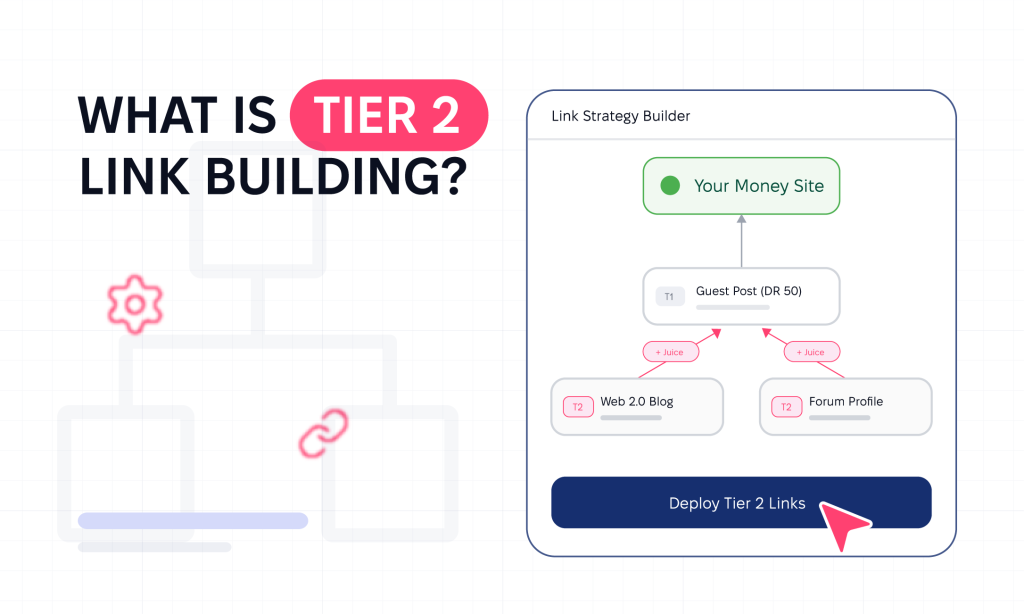
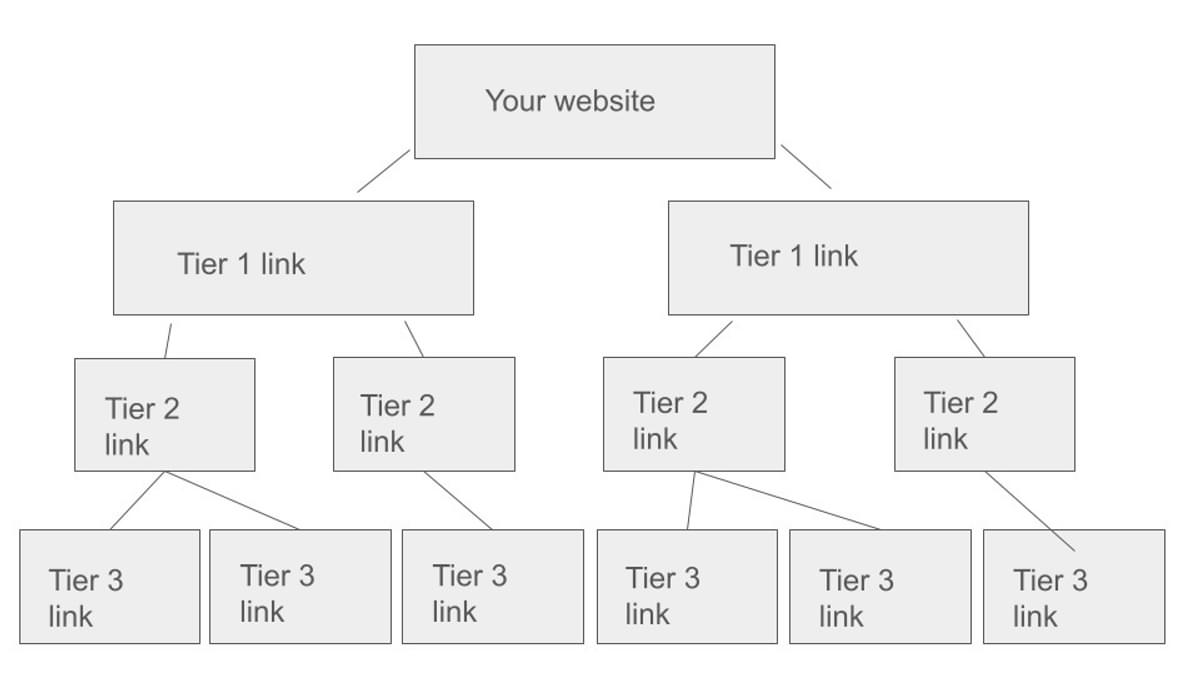
GSA SER tiered projectsThe platform works best for little websites that do not need deep optimization or complex layouts. connect to support 24/7. utilize a block-based editor to structure pages with simple, tidy designs. upgrade meta titles, descriptions, URLs, and alt text throughout your website. Ucraft creates an XML sitemap to assist online search engine index pages.
create an easy logo design directly within the home builder to support brand identity. paid strategies include hosting and automatic SSL certificates. sell items through integrated store tools, with more features unlocked on higher tiers. s utilize with popular software like Zapier, Mailchimp, and Hubspot. secure free SSL to protect your customer's sensitive information. For every single builder on this list, we constructed a test website (or utilized an existing live website where one was available), then ran the exact same set of checks: Can you edit the meta title, meta description, slug, and image alt text at the page level? Can you set noindex on private pages? Can you control the H1 independently of the page title? Does the platform generate a legitimate XML sitemap and Are canonical tags applied properly? Is the URL structure clean (no session parameters, no? p=123-style slugs by default)? Does it support 301 redirects in the UI? What schema types are supported out of the box Post, Product, FAQ, BreadcrumbList, LocalBusiness and can you add custom-made JSON-LD when you need to? We ran each home builder's sample website through Google PageSpeed Insights and Chrome DevTools Lighthouse on both mobile and desktop, inspecting LCP, INP, CLS, and the rendered HTML for client-side-only material that online search engine may have a hard time to crawl.

Key Advantages of Automated Link Strategy Execution
Does the builder connect cleanly to Google Browse Console, Google Analytics 4, and Bing Web Designer Tools? Can you add Google Tag Supervisor without a developer? Where AI functions exist (SEO assistants, meta-tag generators, content tips), we assessed the output for whether it produces functional copy or generic placeholder text. Some platforms put standard features schema, redirects, customized code injection behind higher tiers.
Alt text explains what appears in an image, improving availability and helping online search engine comprehend visual material. Home builders that provide clear alt-text fields or automated tips make it simpler to preserve consistent, keyword-aligned descriptions across your whole site. Fast filling times improve user experience and search rankings. Try to find contractors that supply optimized code, caching, CDNs, and image compression.
Responsive design templates and mobile sneak peeks ensure your design remains understandable, fast, and practical on every device.
This decreases technical mistakes and makes it simpler to update or broaden your site without interrupting your structure or injuring your SEO. Lots of builders bundle domains, SSL certificates, and security tools into their strategies.
Maximizing Search Engine Performance Via System Optimization
SSL secures user data and signals dependability to browse engines. A strong SEO-focused home builder consists of totally free SSL and restores it automatically so you can make the most of key SSL benefits, which is important for securing sensitive details and preventing security warnings that decrease traffic. Categories create a clear hierarchy that helps users and search engines browse your website.
If you're aiming to design a website that shows your brand, personalized design templates help you apply constant styles throughout every page. With control over fonts, colors, designs, and images, your site remains aesthetically meaningful, simple to navigate, and structured in such a way that supports both user experience and search performance.
Now that you understand which platforms use quick performance, clean structure, mobile-ready styles, and strong optimization tools, the next relocation is putting those functions into practice. Start by outlining the type of website you wish to develop and the pages you'll require. Define your structure early, decide how you'll organize material, and plan the SEO components that matter most from metadata and headings to page speed and mobile layout.
Getting knowledgeable about these functions helps you prevent typical setup errors and keeps your site aligned with search best practices from day one. When you're prepared to begin, follow our detailed guide on how to make a site. It strolls you through preparation, structure, and publishing your site utilizing the same SEO principles covered in this guide, so you can release with confidence and grow sustainably.