Essential Tips for Implementing High-Impact SEO Networks
For more than 2 decades, seo shaped how brand names developed digital visibility. The formula was basic: make links, rank greater, and drive traffic. That approach worked, and it remains a necessary part of any contemporary marketing strategy. SEO is not disappearing, however in 2026, ranking alone is no longer enough by itself.
Customers are increasingly turning to answer-driven platforms and generative search experiences to research business, examine solutions, and make decisions.
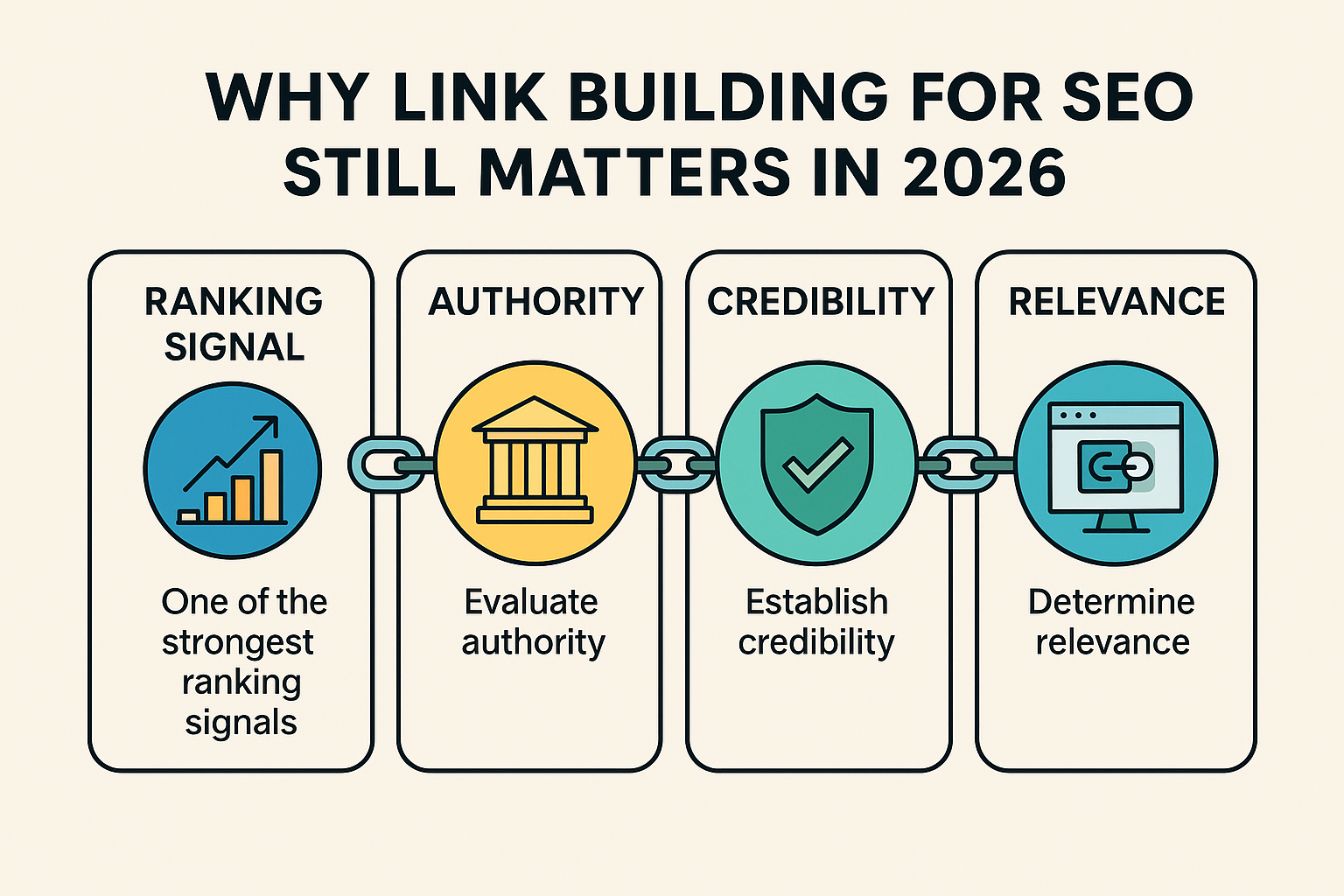
The modern visibility structure has 3 linked layers: SEO (Search Engine Optimization) assists your content rank in search engines. AEO (Answer Engine Optimization) assists your material appear in highlighted bits, AI Overviews, and direct-answer experiences.
GSA SER tiered projectsLet's make one thing clear: SEO stays a fundamental discipline for digital visibility. Almost 40 percent of Google's AI Overviews recommendation material that already ranks in the leading 10 organic search engine result. Strong standard SEO, quality backlinks, and excellent user experience develop the site authority that AI engines use as a reliability signal.
Conventional SEO was designed to provide a click. GEO runs on a different design completely.
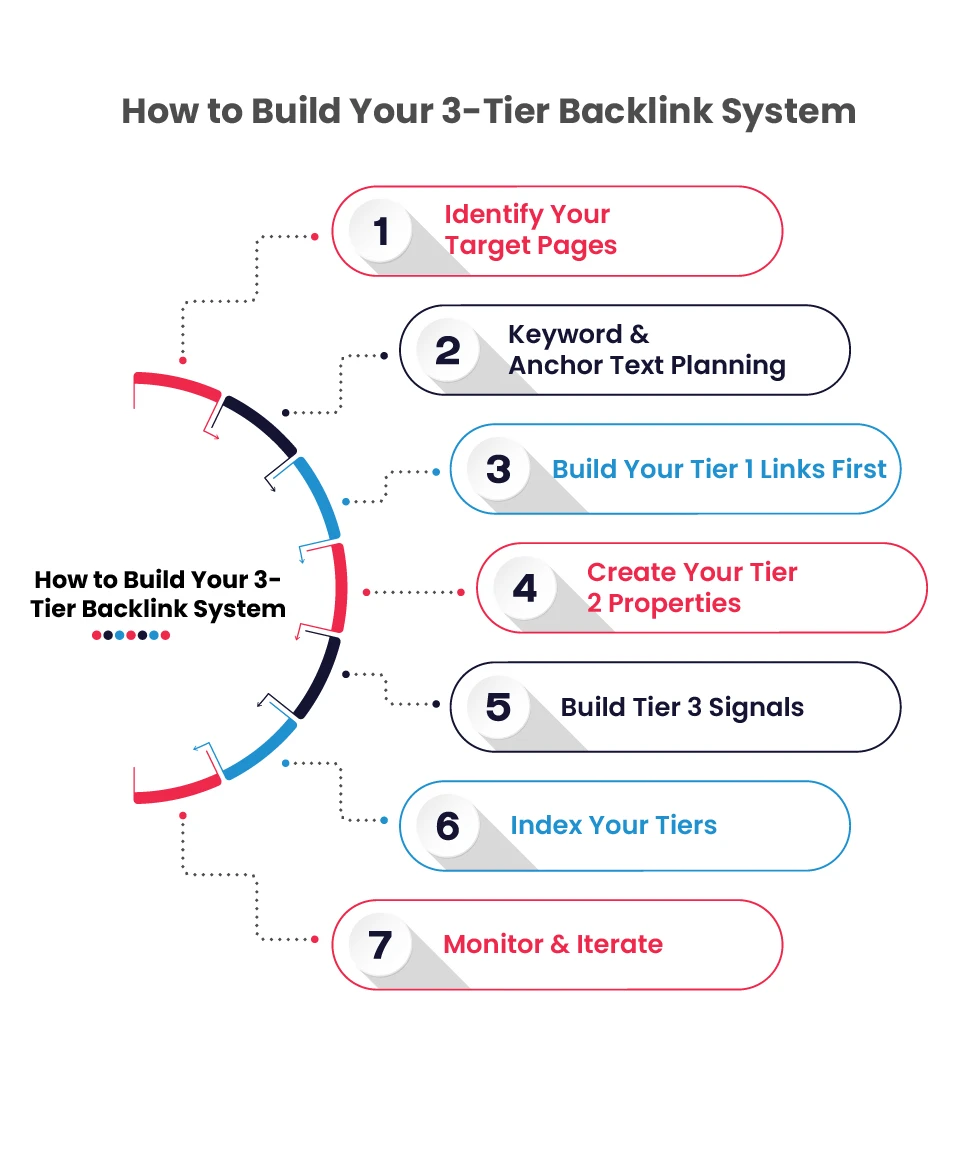
Critical Steps for Implementing High-Impact SEO Networks
The practical structure for 2026 is a three-layer method: SEO develops baseline presence, AEO makes sure ease of access in featured snippets and AI Overviews, and GEO positions material as relied on referral material for generative AI outputs. None of these layers changes the others. They compound. GEO is the practice of enhancing material to look like reliable sources or direct actions within generative AI platforms like ChatGPT, Claude, Gemini, and Perplexity.
The principle was formalized in a 2023 Princeton term paper (co-authored with Georgia Tech, the Allen Institute for AI, and IIT Delhi) and has considering that moved from scholastic idea to enterprise marketing standard. By early 2026, most enterprise marketing teams have a GEO effort underway. Nevertheless, most small and mid-size organizations have actually not begun, which represents a significant first-mover chance for agencies and brand names going to move now.
Traditional SEO had to do with earning an area amongst 10 blue links. GEO has to do with making a place amongst the two to 7 domains that large language models (LLMs) normally cite in a single response. When an AI engine names your brand name in its response, it provides an implicit endorsement no natural listing ever could.
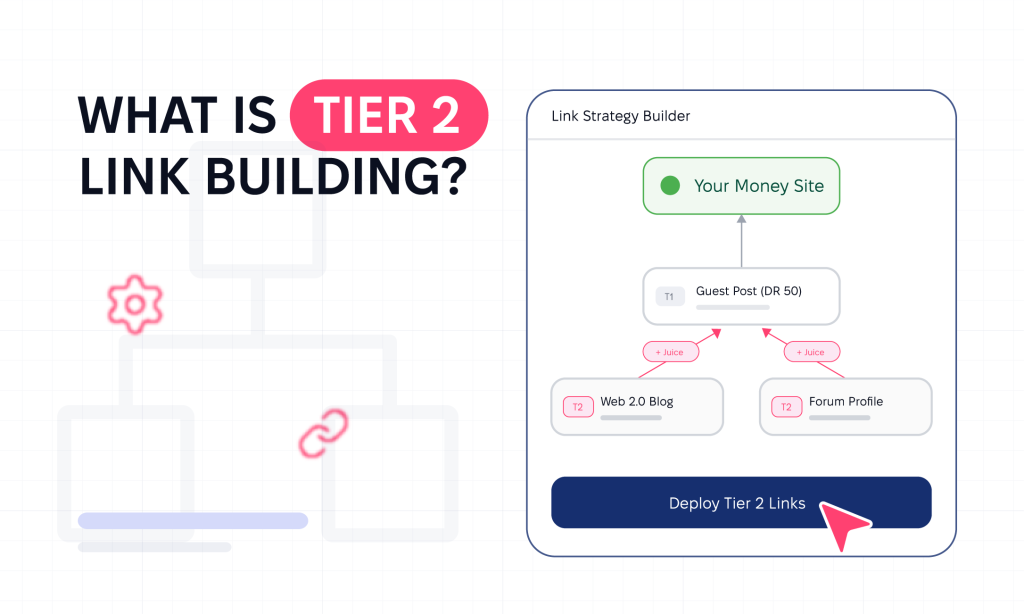
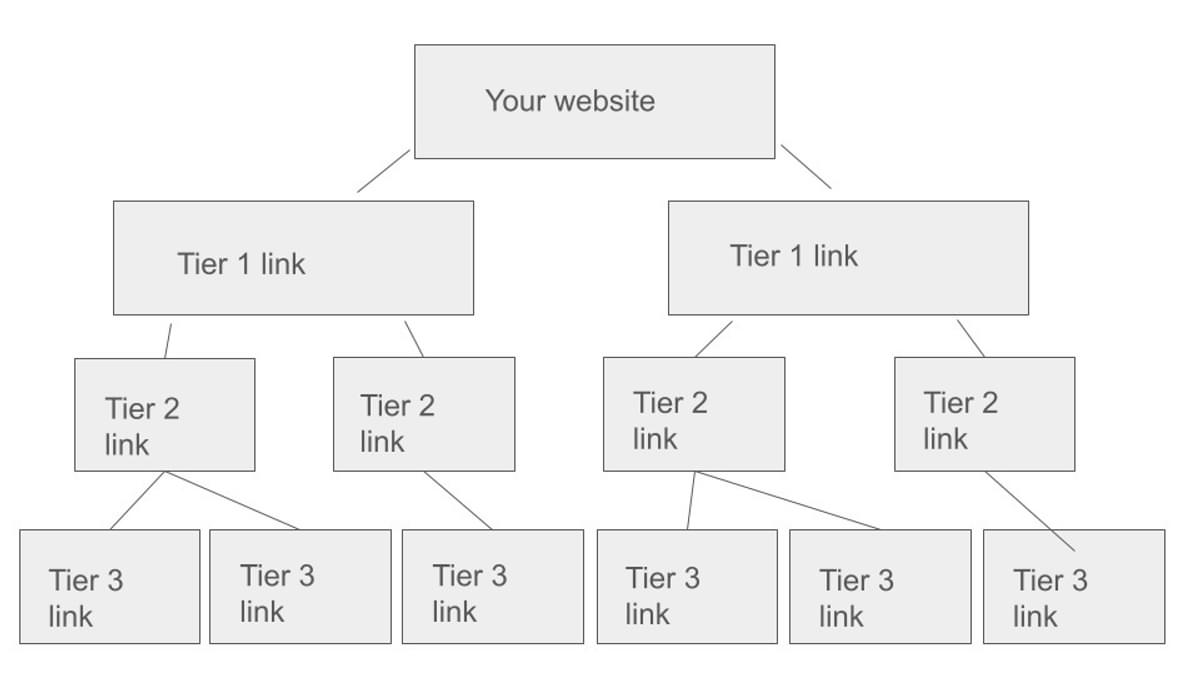
GSA SER tiered projectsTraditional Link Building Vs Next-Gen Tiered Frameworks
This is the finding that must basically reshape how PR teams think about their work in 2026. Brand-owned blogs, press releases on your own domain, and sponsored material are mainly invisible to AI citation engines.
AI systems were trained to recognize the very same trustworthiness signals that editors always have. A brand name speaking about itself is self-interested. A respected third-party publication covering that brand without a monetary relationship is an authentic recommendation, and AI engines weigh it appropriately. The data enhances this at scale. A regulated study by Stacker and Scrunch discovered that dispersing material through third-party news outlets produced a 239 percent average lift in AI search exposure, with some projects reaching a 325 percent increase.
The strategic conclusion is clear. The PR group is not an assistance function for GEO technique. The shift towards GEO modifications not just where you pitch, however how.
Advertising wire releases with keyword stuffing work versus you. The Princeton GEO study found that keyword-heavy marketing content produces an unfavorable presence effect in generative engines. Authentic editorial protection from independent journalists, structured and factual, is what substances.