Mastering Advanced Multi-Tiered Link Framework
Tier 3 backlinks are of lower quality and authority than Tier 1 and Tier 2 links. They assist diversify a website's backlink profile and build link equity. Consider factors like the domain authority of the website with the Tier 3 link, the content significance around the link, and whether the link is follow or no-follow.
This method lines up with Google's rules and helps prevent penalties from updates like Penguin and Panda. Balancing Tier 1, Tier 2, and Tier 3 links is very important for improving a site's domain ranking, page rank, and ultimately its search engine result page (SERP) rankings. Tier 3 backlinks play an essential role in link building methods by contributing to the total SEO efforts of a website.
By incorporating tier 3 backlinks, a site can improve its natural rankings and establish authority within its specific niche market. These links incrementally hand down link equity, which ultimately drives lead to SEO. While tier 1 and tier 2 backlinks are typically prioritized due to their greater quality, tier 3 backlinks are necessary for a well-rounded link-building strategy.

It is very important to stay updated on algorithm updates from search engines like Google to ensure that backlink strategies adhere to present standards and prevent penalties such as those imposed by Penguin and Panda. Tier 3 backlinks are not as high quality as tier 1 and tier 2 backlinks, but they still matter for SEO and link building.
Boosting Authority Rankings Through Strategic Hierarchy Pipelines
Mixing tier 3 backlinks, such as no-follow links from particular forums or blog sites, with higher-tier links assists produce a more natural link profile that Google favors. By keeping track of and analyzing the efficiency of these third-tier links utilizing tools like Google Analytics, website owners can see which strategies work best and which ones may be injuring their SEO efforts.
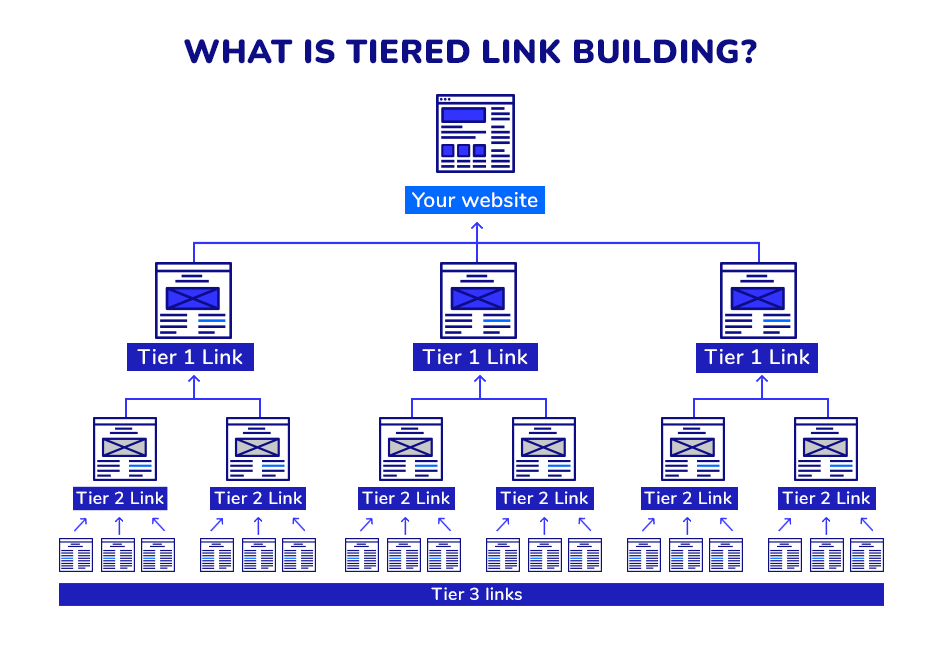
Tier 1 is the highest quality, while Tier 3 is lower quality. Tier 3 backlinks are not as powerful as Tier 1 or Tier 2, they still play a function.
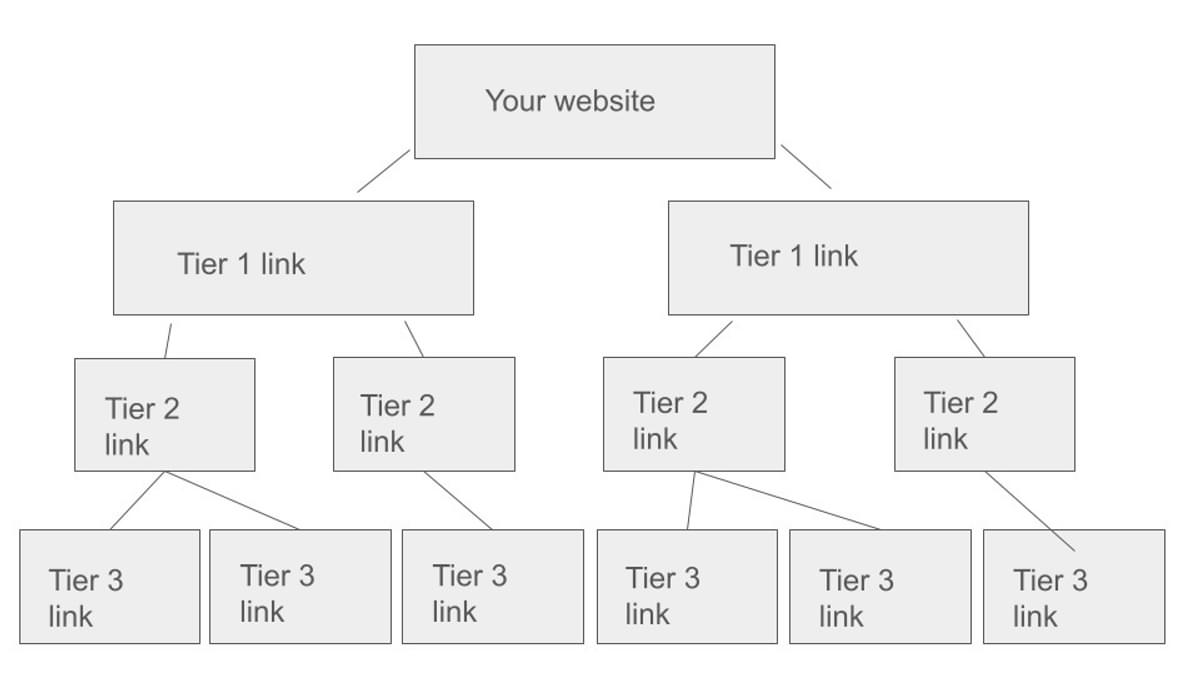
This practice improves the site's authority and domain authority, improving its search engine ranking. While Tier 3 backlinks are helpful, they ought to be used alongside higher quality ones to avoid charges. Staying updated on algorithm changes and following Google's standards are vital for an effective link-building method. Tiered link building involves creating a network of backlinks that point to the main website.
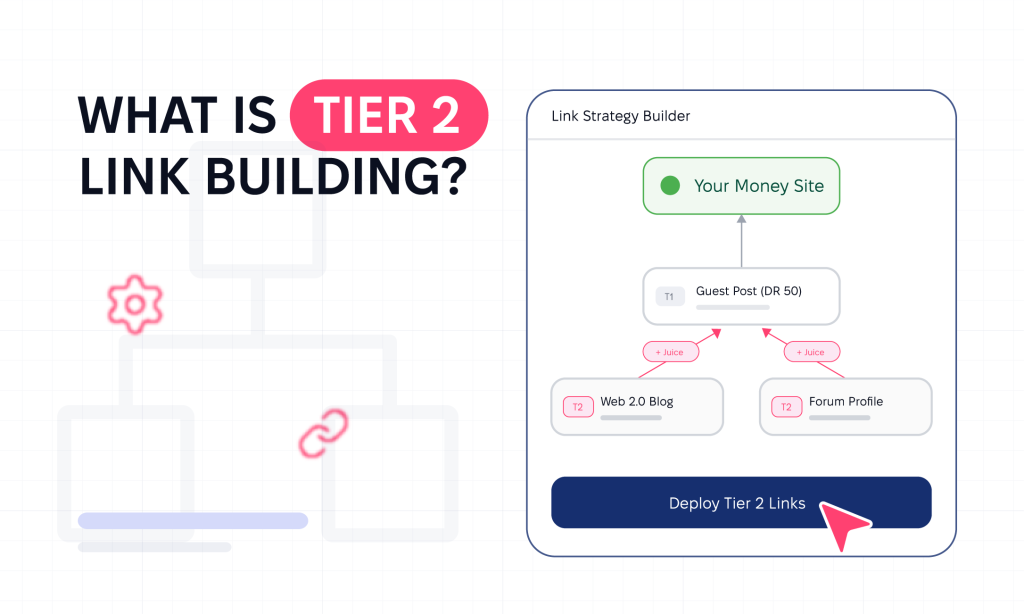
Tier 1 backlinks originated from high-authority sites, offering the main link equity. Tier 2 backlinks build on tier 1 by connecting to those links. Tier 3 backlinks support tier 2, adding to a well-rounded backlink profile. A mix of first-tier, second-tier, and third-tier links help develop a diverse link profile.
ready to restore .ser file
Tier 3 backlinks might carry less weight individually, collectively they assist sites rank greater. They contribute to the total strength of the backlink profile. This assists websites in navigating algorithm updates and appearing in search engine results pages. When it concerns connect building and SEO strategies, tiered link building is typical.
Traditional Versus Tiered Backlink Workflows: What Wins Best?
They can harm a website's backlink profile and authority. These links do not have credibility and can be viewed as spam by search engines like Google. Negative impacts of tier 3 backlinks include charges from Google, reduced domain authority, and a bad track record due to black hat SEO techniques. To reduce these threats: Concentrate on producing premium content Get first-tier links from respectable websites Follow Google's guidelines on link schemes Avoid utilizing PBNs By utilizing tier 3 backlinks tactically like through guest posts or forum conversations risks can be decreased, and site authority can possibly increase.
To minimize the risk exposure to penalties associated with tier 3 backlinks, business can carry out numerous steps. One crucial aspect is to make sure that the tier 3 backlinks are of high quality and relevance to the primary site. This includes carrying out extensive research study on the website's authority, domain authority, and backlink profile to avoid any association with black hat SEO methods.
By following Google standards and remaining updated on algorithm updates from search engines like Penguin and Panda, business can keep a strong link-building method without risking penalties. Utilizing tools such as Ahrefs, Moz, or SEMrush can likewise help in keeping track of backlink quality and recognizing any possibly hazardous links. Diversifying the link sources and including a mix of first-tier, second-tier, and third-tier links can help in building a natural and natural link profile that aligns with market standards.