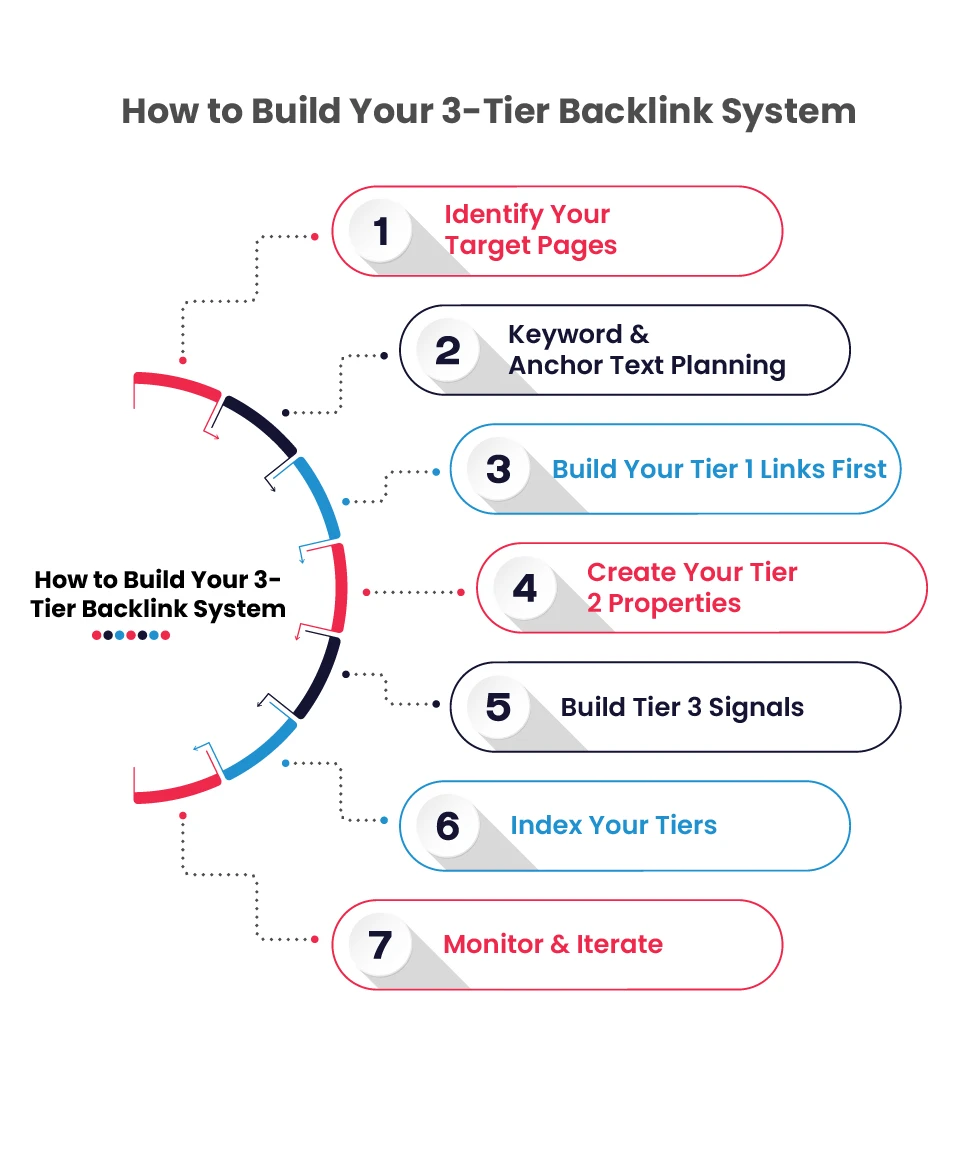
The Automated Methodology to Multi-Level SEO Growth
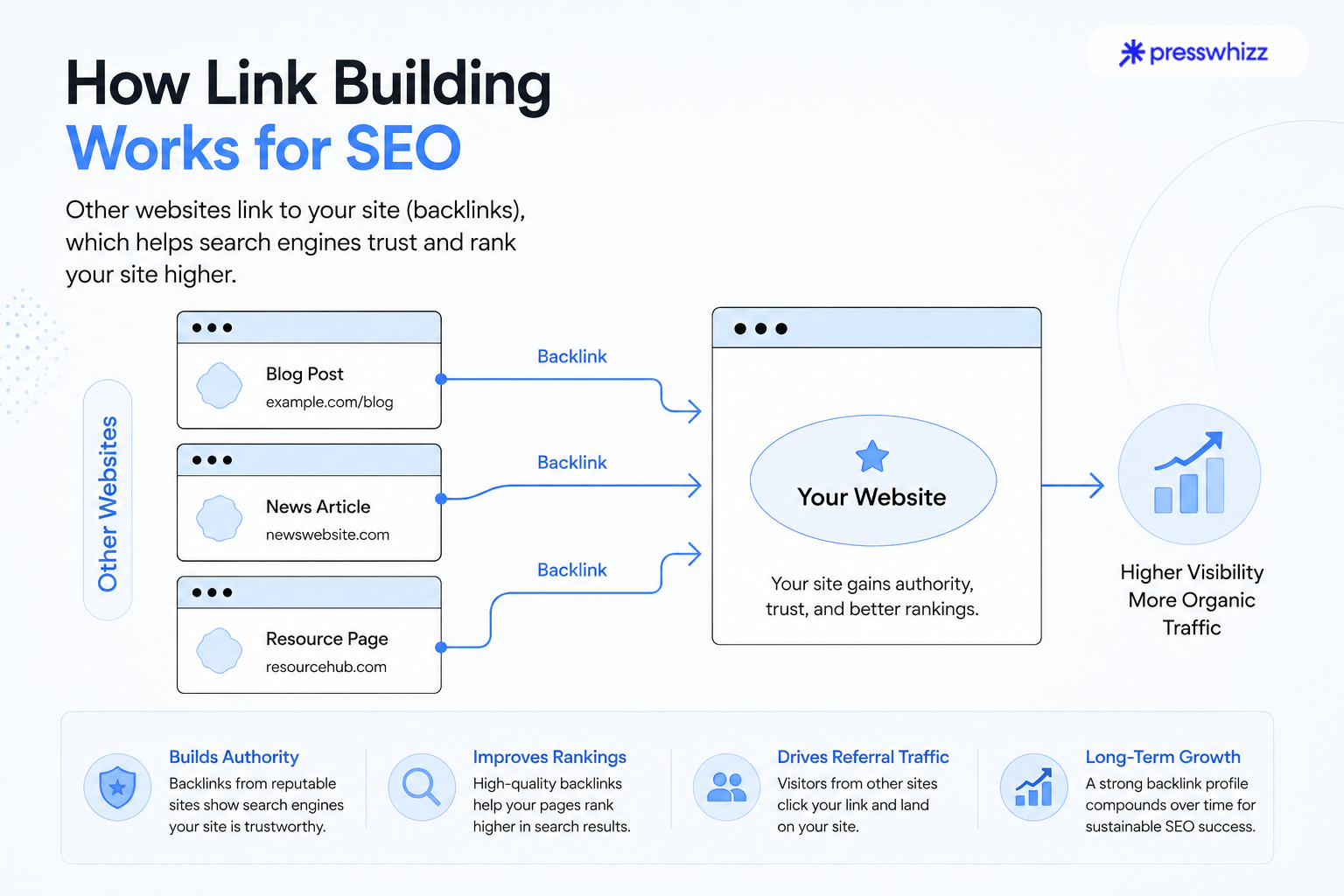
For more than two decades, search engine optimization shaped how brand names constructed digital visibility. SEO is not going away, but in 2026, ranking alone is no longer enough on its own.
Consumers are significantly turning to answer-driven platforms and generative search experiences to research companies, examine options, and make choices.
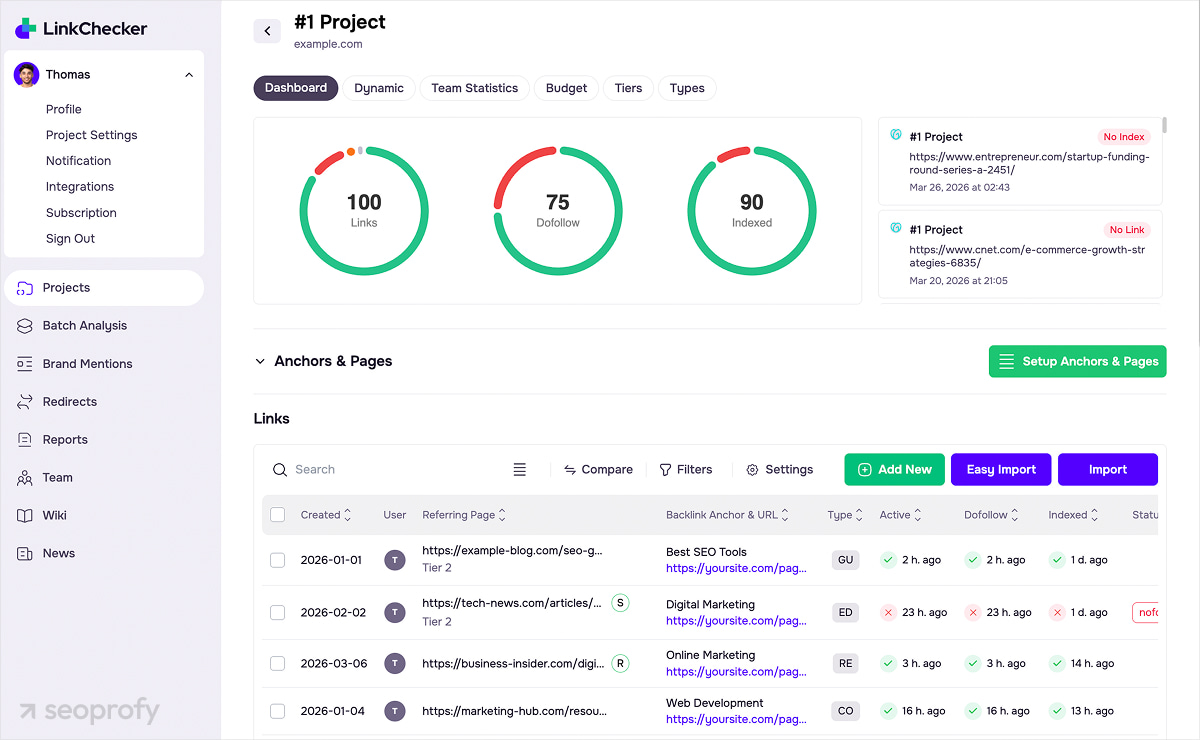
The modern visibility structure has 3 connected layers: SEO (Search Engine Optimization) helps your material rank in search engines. AEO (Answer Engine Optimization) assists your material appear in featured snippets, AI Overviews, and direct-answer experiences.
Let's make one thing clear: SEO stays a fundamental discipline for digital visibility. Nearly 40 percent of Google's AI Overviews referral content that currently ranks in the top 10 organic search results page. Strong standard SEO, quality backlinks, and excellent user experience develop the site authority that AI engines utilize as a credibility signal.
Standard SEO was created to deliver a click. GEO operates on a different model entirely.
Crafting a Dynamic Link Model Through Tools
The practical structure for 2026 is a three-layer method: SEO develops standard visibility, AEO makes sure ease of access in featured snippets and AI Overviews, and GEO positions content as relied on reference product for generative AI outputs. None of these layers replaces the others. They compound. GEO is the practice of optimizing material to appear as reliable sources or direct actions within generative AI platforms like ChatGPT, Claude, Gemini, and Perplexity.
The principle was formalized in a 2023 Princeton term paper (co-authored with Georgia Tech, the Allen Institute for AI, and IIT Delhi) and has actually because moved from academic concept to business marketing requirement. By early 2026, many enterprise marketing teams have a GEO initiative underway. However, the majority of little and mid-size companies have not begun, which represents a meaningful first-mover opportunity for agencies and brand names ready to move now.
Traditional SEO had to do with making a spot amongst 10 blue links. GEO has to do with earning a location amongst the 2 to seven domains that big language designs (LLMs) typically mention in a single response. When an AI engine names your brand in its response, it provides an implicit recommendation no natural listing ever could.
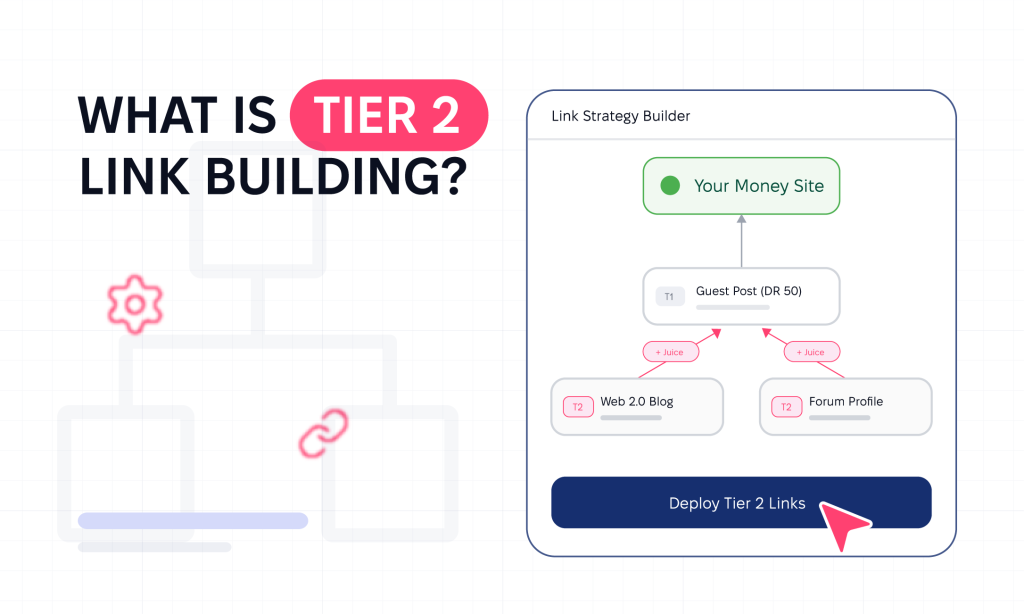
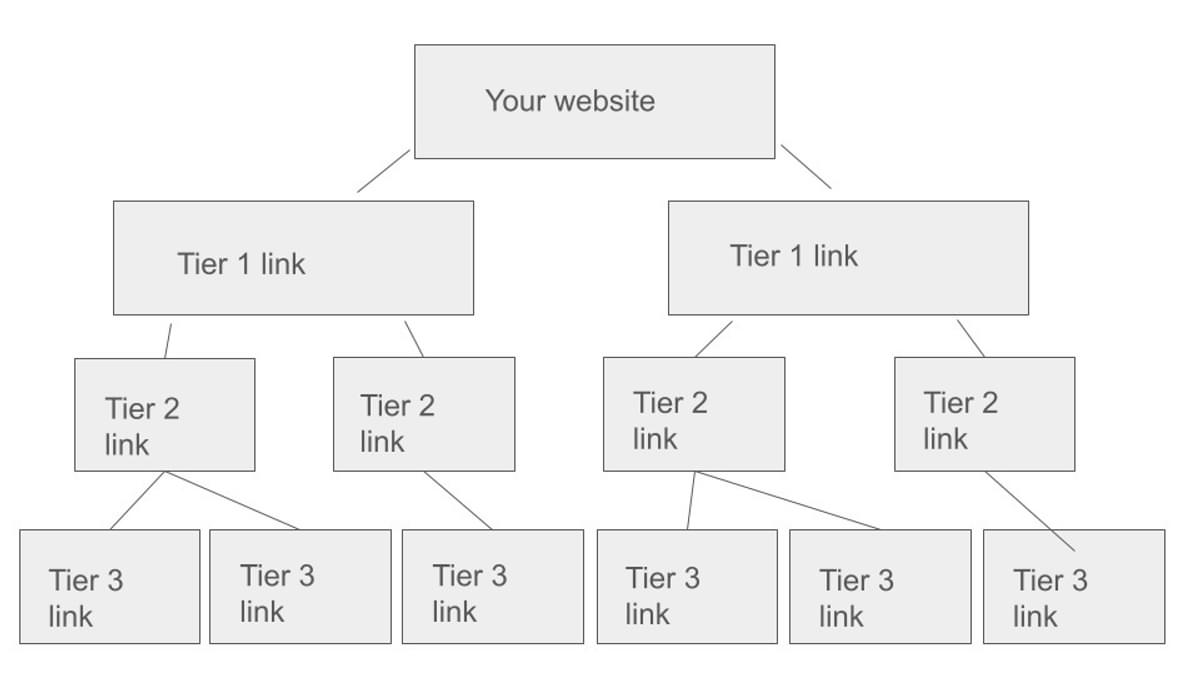
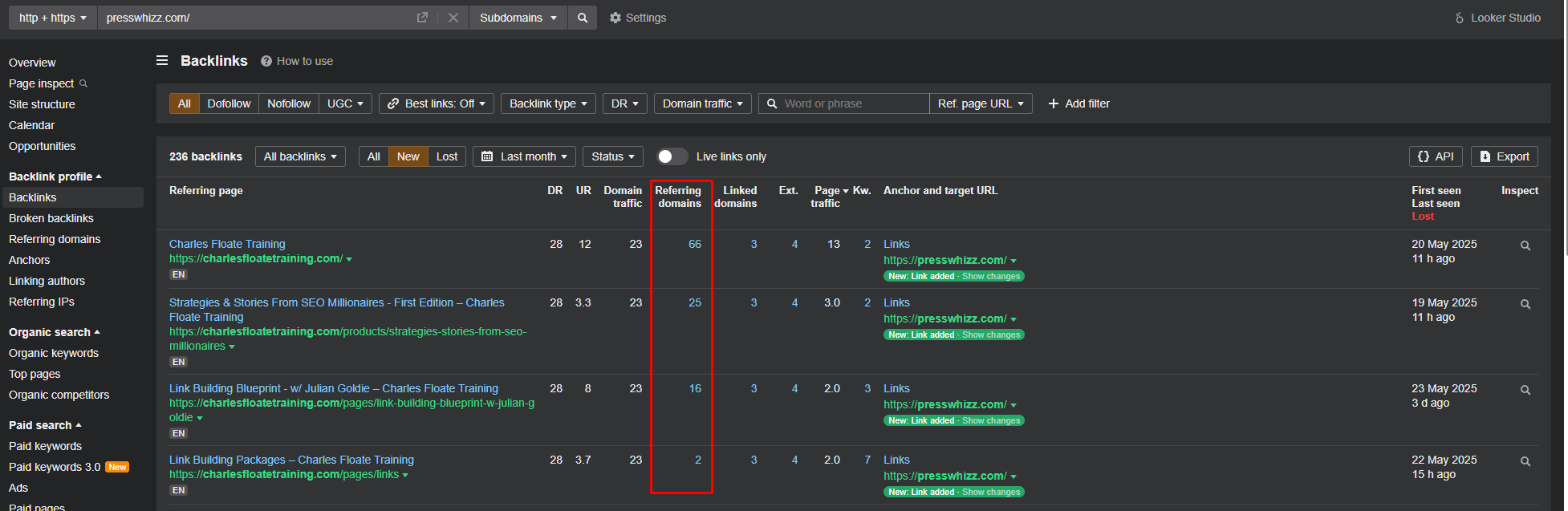
GSA SER campaign setupTraditional SEO Vs Automated Multi-Level Architectures
This is the finding that should essentially reshape how PR groups believe about their work in 2026. Brand-owned blogs, press releases on your own domain, and sponsored content are largely invisible to AI citation engines.
A brand name speaking about itself is self-centered. A highly regarded third-party publication covering that brand without a monetary relationship is an authentic recommendation, and AI engines weigh it appropriately. The data reinforces this at scale.
The strategic conclusion is clear. As Browse Engine Land summed up in February 2026: "Digital PR and believed management aren't just brand plays any longer. They're direct GEO levers." The PR team is not a support function for GEO method. It is the primary motorist of it. The shift toward GEO changes not simply where you pitch, however how.
Promotional wire releases with keyword stuffing work versus you. The Princeton GEO study discovered that keyword-heavy advertising material produces an unfavorable presence effect in generative engines. Authentic editorial protection from independent reporters, structured and factual, is what compounds.